Five Essential Supplies Every Beginner Painter Needs
Beginning a painting practice involves a series of thoughtful choices, and the selection of supplies is one of the first steps that can shape the overall experience. For many newcomers, the array of available materials can seem overwhelming, yet focusing on a few core items helps simplify the process. A deliberate approach to acquiring these essentials allows the beginner to concentrate on technique and observation rather than on compensating for inadequate tools.
Quality does not necessarily mean the most expensive option; rather, it refers to materials that function reliably and consistently. When supplies work as intended, the painter can build a more direct relationship between intention and mark-making. This stability supports gradual skill development and reduces the frustration that can arise from unpredictable equipment. Over time, a well-chosen set of supplies can form a foundation that adapts as the painter’s goals evolve.
The following sections outline five categories of supplies that are frequently recommended for those starting out. Each category includes considerations about how different choices may affect the painting process, allowing the beginner to make informed decisions based on their own interests and working style.
Canvas and Painting Surfaces
The surface on which paint is applied plays a significant role in how the medium behaves and how the final work presents itself. Stretched canvas, canvas panels, and canvas pads are common options for beginners. Stretched canvas consists of fabric stretched over a wooden frame and is often pre-primed with gesso, which provides a slightly textured surface suitable for oil or acrylic paints. Canvas panels are rigid boards with canvas adhered to them, offering a more portable and less expensive alternative. Canvas pads contain sheets of canvas paper that can be removed individually, making them useful for studies and practice.
The choice of surface influences paint adhesion, brushstrokes, and drying time. For example, a smoother surface may allow finer detail work, while a more textured surface can create a distinctive grain in the paint layer. Beginners may benefit from trying a few different surfaces early on to observe how each responds to the same paint and brush techniques. Many suppliers, such as Artful Palette, offer sample packs that include multiple surface types, allowing painters to compare without committing to a single format. The key is to select a surface that feels comfortable and supports the learning process without causing unnecessary resistance.
Paints for Beginners
Paint is the primary medium of expression, and its properties vary widely depending on the binder and pigment composition. For those new to painting, acrylics are often a practical starting point because they dry quickly, are water-soluble, and require fewer additional solvents. Watercolors offer transparency and layering possibilities but demand a different approach to control. Oils provide a longer working time and rich blending capabilities but necessitate the use of solvents and a longer drying period. Each type of paint has its own learning curve, and the choice should align with the painter’s preferred pace and environment.
Paint quality is typically categorized as student grade or artist grade. Student-grade paints contain less pigment and more filler, resulting in lower tinting strength and a different consistency. Artist-grade paints have a higher pigment load, offering more vibrant mixing and covering power. For a beginner, starting with a small set of student-grade paints in primary colors plus white can be a reasonable way to explore color mixing without a large financial outlay. As the painter becomes more familiar with the medium, upgrading to artist-grade paints for frequently used colors can enhance the experience. It is worth noting that the same brand may offer both grades, and comparing them side by side can provide useful insight.
Brushes and Their Selection
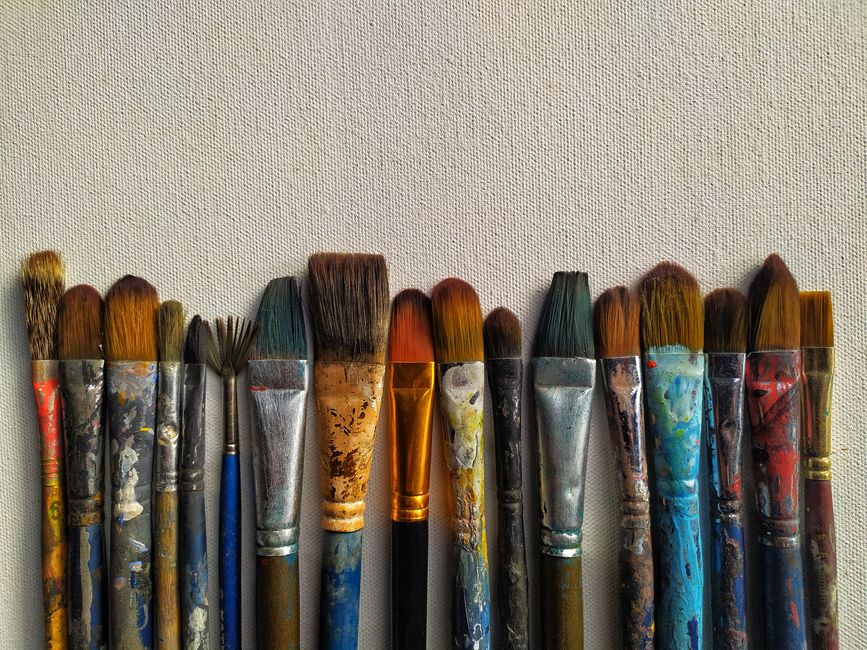
Brushes are the primary tools for applying paint, and their shape, size, and bristle type each contribute to the range of marks a painter can make. Common brush shapes include round, flat, filbert, and detail liners. Rounds are versatile for lines and washes; flats are used for broad strokes and sharp edges; filberts combine the qualities of flats and rounds; and detail liners allow fine work. The size of a brush affects the scale of marks, and having a few sizes—such as small, medium, and large—enables the painter to work on different parts of a composition.
Bristle material also matters. Synthetic brushes are often recommended for acrylics because they resist damage from water and maintain their shape well. Natural bristle brushes, such as hog hair, are more commonly associated with oil painting due to their stiffness and ability to hold heavy paint. Some brushes are labeled as “mixed” or “interlocked” to combine properties. Beginners can start with a modest set of three to four brushes covering different shapes and sizes. Proper cleaning after each session, using mild soap and water for acrylics or appropriate solvent for oils, helps preserve the brush’s performance over time. A clean brush behaves more predictably than one with dried paint in the ferrule.
Palette for Color Mixing
A palette provides a dedicated space for mixing paints and observing color relationships before applying them to the surface. Options include handheld wooden palettes, plastic palettes with wells, and disposable paper palettes. The choice depends on workspace, preferred medium, and personal ergonomics. A handheld palette allows the painter to hold the palette and brushes together, but it requires a certain level of coordination. A tabletop palette frees the hands and can accommodate larger puddles of paint, which is useful when working with acrylics that dry quickly. Some palettes have a lid to keep paints moist for longer periods, which can be especially helpful during longer sessions.
The layout of the palette can influence the mixing process. Many experienced painters arrange their colors in a consistent order, often from warm to cool or from light to dark. This organization helps develop a visual reference for the available possibilities. Beginners may find it useful to start with a white or neutral gray palette, as these colors do not distort the appearance of the mixed paint. Disposable palette sheets are convenient for easy cleanup, while reusable palettes require scraping and washing. The goal is to choose a palette that supports uninterrupted mixing and encourages experimentation without becoming a source of distraction.
Easel and Workstation Ergonomics
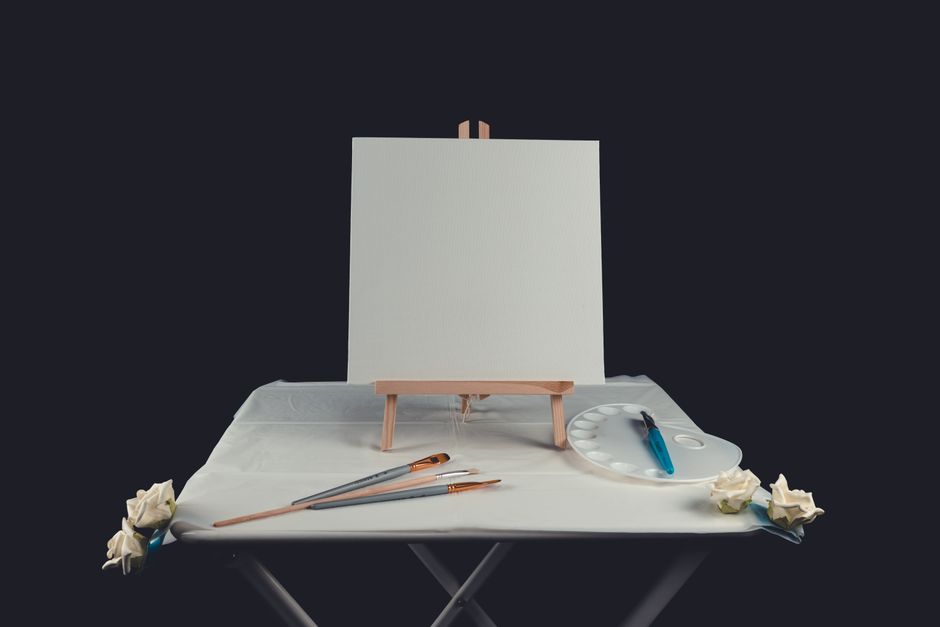
An easel holds the painting surface at a comfortable angle and height, allowing the painter to step back and assess the work from a distance. Several types are available: A-frame easels are sturdy and foldable, suitable for studio or outdoor use; H-frame easels offer greater stability for larger canvases; tabletop easels are compact and ideal for small workspaces or travel. The choice of easel should consider the typical size of the canvas, the available floor or table space, and the painter’s physical comfort during long periods of standing or sitting.
Proper ergonomics can reduce strain and support a more fluid painting motion. An easel that tilts can prevent glare from overhead lighting, and a height adjustment allows the canvas to be positioned at eye level. Some easels include a canvas holder that secures the surface from two or four sides. Beginners may start with a simple and adjustable A-frame easel, which offers good balance without excessive complexity. Assembling the easel correctly and checking its stability before use can prevent interruptions. A well-set workstation, combined with adequate lighting and ventilation, creates a environment where the painter can focus on the process rather than on physical discomfort.
When these five categories of supplies are chosen with attention to their function and the painter’s context, they form a coherent toolkit. Over time, preferences may shift as the painter develops a personal style, but the foundational items remain relevant. As with any creative practice, the most important factor is sustained engagement with the materials, and a thoughtful selection simply removes unnecessary obstacles.